Sewer Line Questions, Answered
Why do I need a camera inspection?
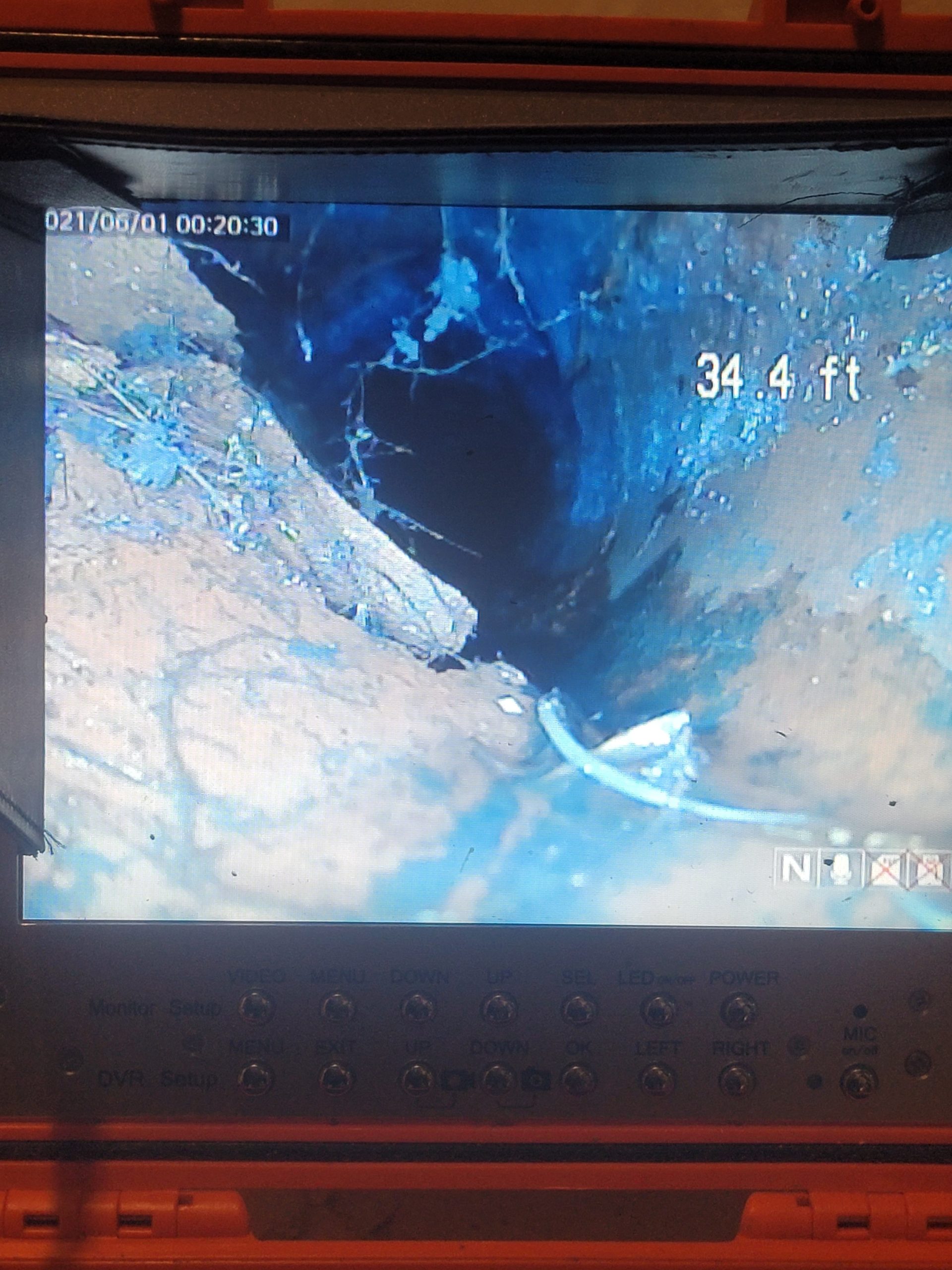
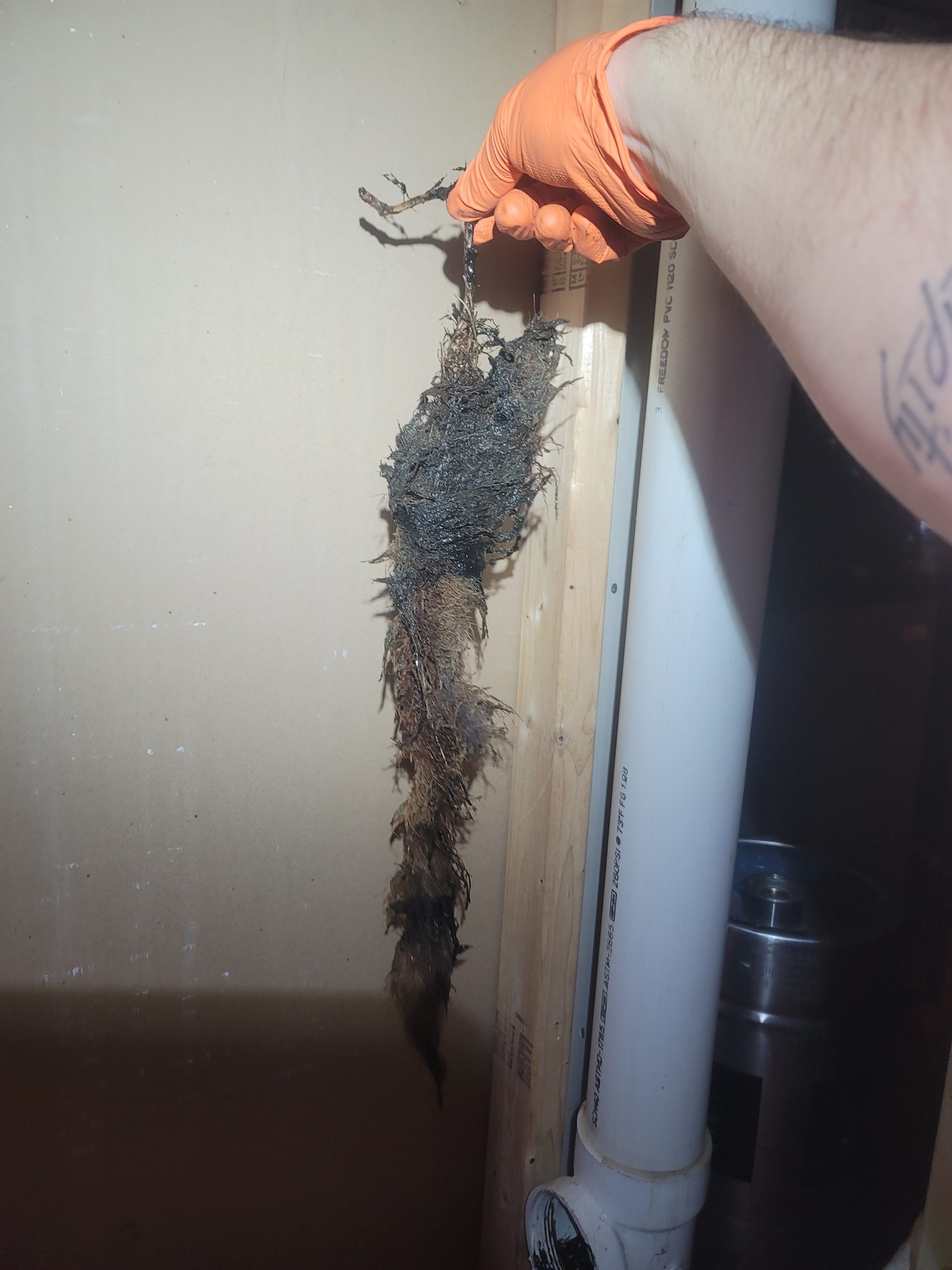
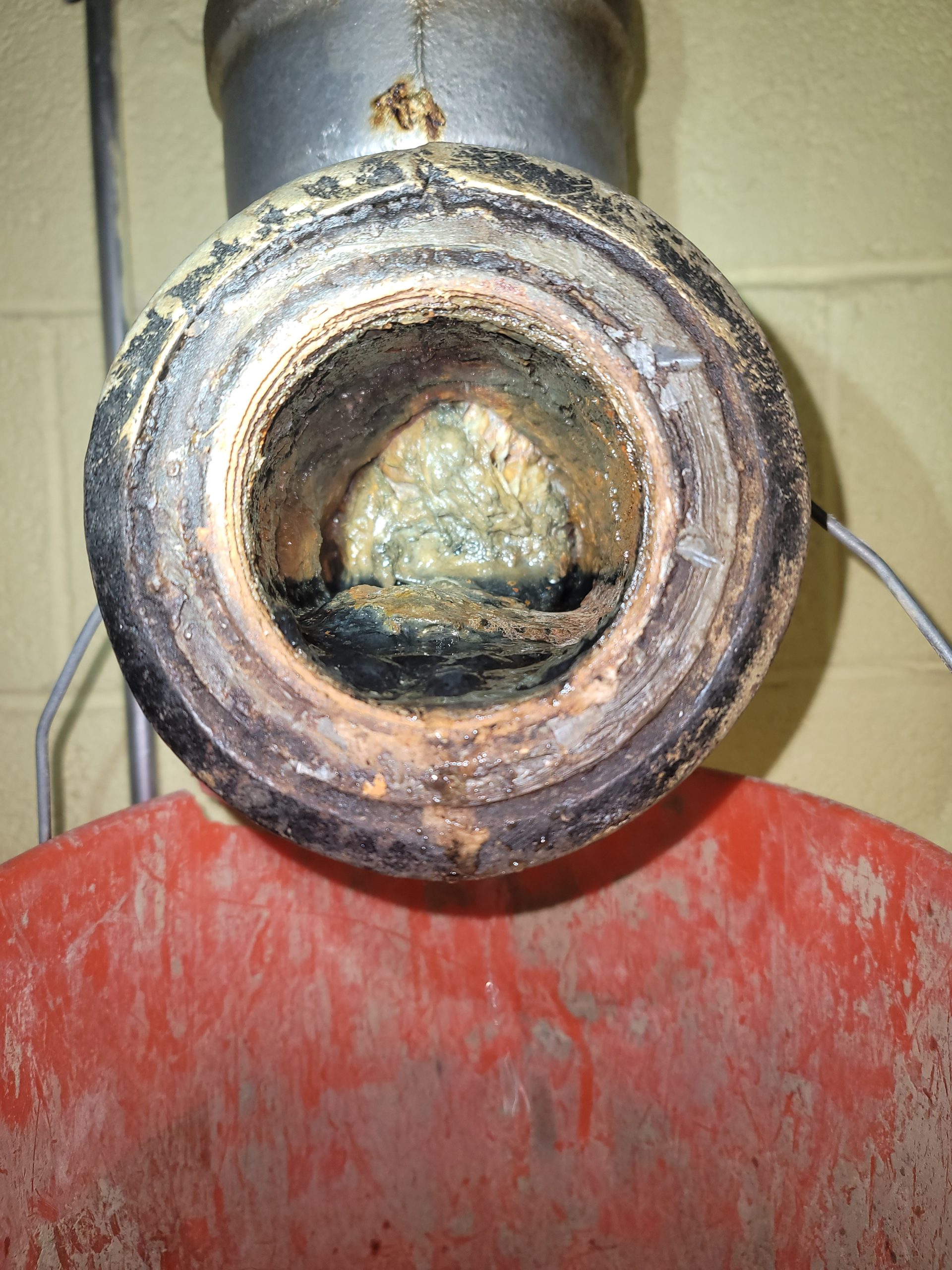
Because guessing what's wrong with a sewer line costs you money. A camera inspection takes ~30 minutes and shows you exactly what's happening — root intrusion, cracks, bellies, blockages, the works. With that footage, we can quote the smallest fix that actually solves your problem instead of recommending the biggest one. It also protects you from contractors who quote a full replacement when a spot repair would do.
How much does sewer line repair cost in Cleveland?
It depends entirely on what's wrong, where it's failing, how long the line is, what's above it (concrete? landscaping? a driveway?), and how deep the line runs. Spot repairs are smaller jobs. Full replacements with significant excavation and restoration are much larger. We don't publish a single number because every sewer job is different — but we WILL give you an honest, written quote after the camera inspection, with no surprise add-ons after work starts.
What does "bonded sewer contractor" actually mean?
A sewer builder's bond is a surety bond required by most Cuyahoga County cities for any work that connects to the city's sewer main. It's a financial guarantee — backed by an actual bonding company — that the contractor will perform the work to code and stand behind it. If something fails because of contractor error, the bond is your recourse. Many of the cheapest sewer quotes you'll see come from people who don't carry one. We do.
Do you do trenchless sewer repair?
Honest answer: not in-house, not yet. Trenchless lining and pipe bursting require specialized equipment we don't currently own. Some sewer failures genuinely need the open-trench approach anyway, which we do every day as a bonded sewer contractor. If your specific situation is a perfect trenchless candidate, we'll tell you so during the inspection — and we'd rather refer you to someone who does it well than oversell you on a service we don't do. That kind of honesty is what gets us five-star reviews.
How long will the work take?
Camera inspection: 30 minutes to an hour. Snaking: 1-3 hours depending on the blockage. Spot repair: usually a single day. Full sewer line replacement: 1-3 days depending on length, depth, and what's above the line. We'll give you a realistic timeline as part of the quote — no "we'll be done by lunch" estimates that quietly turn into three days.
Will you destroy my yard?
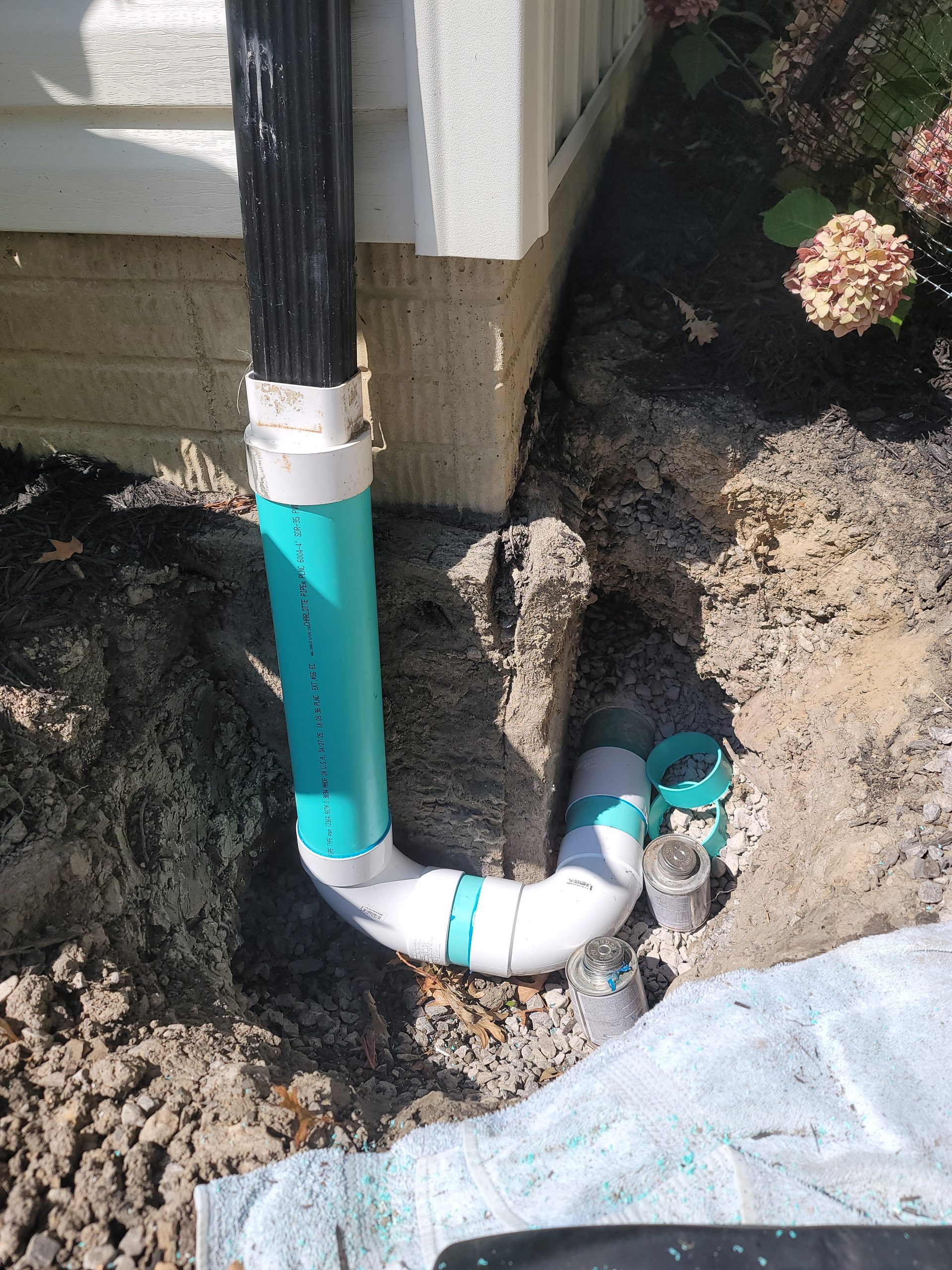
For traditional excavation: there's no avoiding some yard impact, but we minimize it. We mark the route, dig the smallest trench the job requires, save sod where possible, and restore the area when we finish — fill, grade, and seed/sod. We'll walk you through what to expect before we start so there are no surprises. Driveways, patios, and concrete walks add cost and time; we'll factor those into the quote.
How long do sewer lines last?
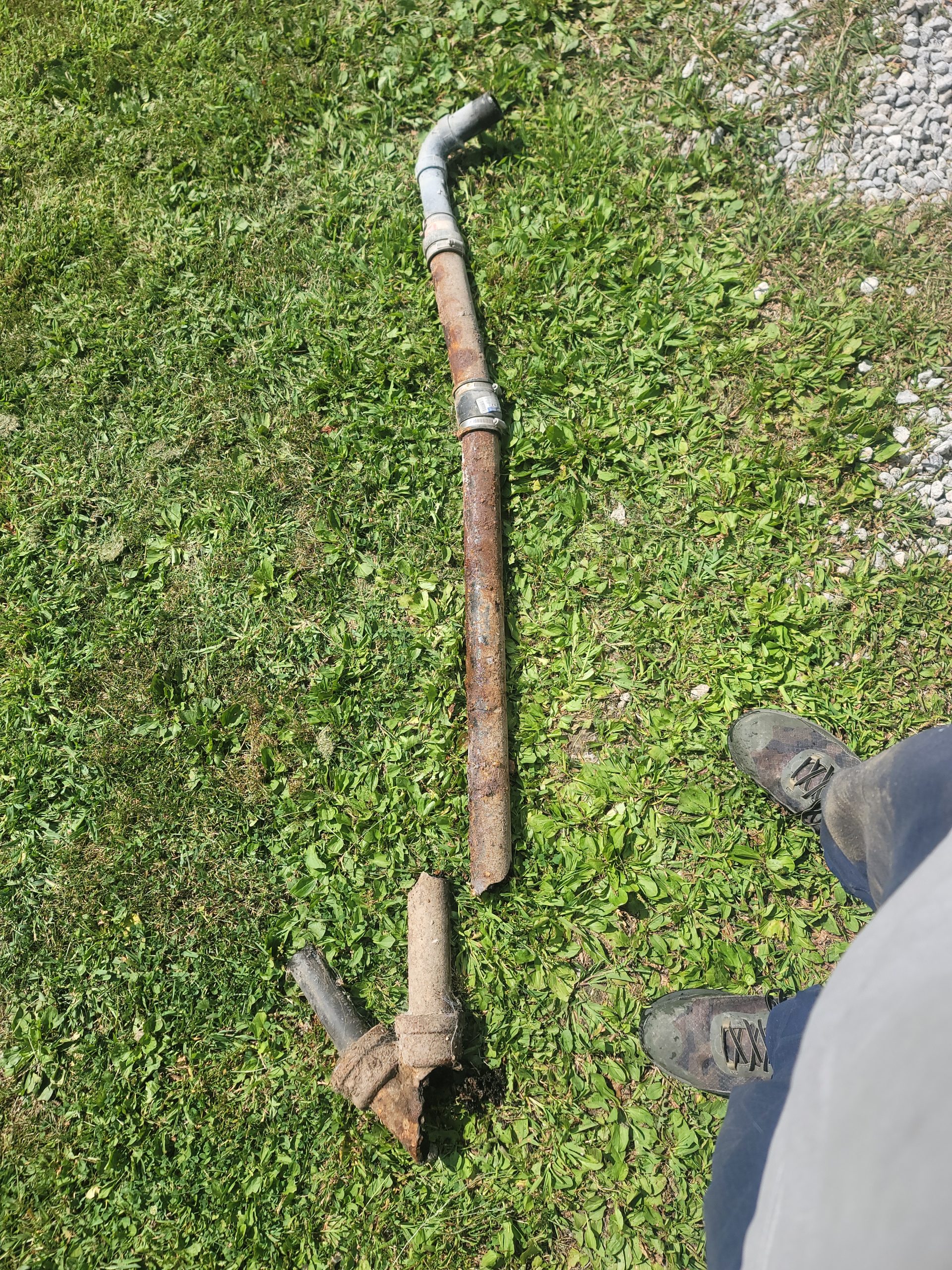
Modern PVC lines: 50-100 years. Cast iron: 50-75 years. Clay tile (common in older Cleveland homes): 50-60 years if well-maintained, often less. Orangeburg pipe (1940s-1970s): often only 30-50 years and notoriously fails early. If your home was built before 1970 and you've never had a camera inspection, you should schedule one — even if you're not having problems yet.
Do you offer financing on sewer line work?
Yes. We partner with Wisetack — financing from $500 to $25,000 with terms up to 120 months. 0% APR options on qualifying credit. Soft credit check for pre-qualification (no impact on your credit score), no late fees, no compounding interest. We quote your job first, then send you a personalized pre-qualification link. Sewer line work is exactly the kind of unexpected expense Wisetack is designed for.
Do you charge for estimates?
Estimates are free for any job we can diagnose visually — including the initial camera inspection conversation. The only time we charge is when a problem requires destructive access to find the cause:
- $99 to take valves apart for diagnostic — credited back to you if you proceed with the repair. Risk-free for you.
- $150 to cut open drywall or ceiling — includes hauling the debris away.
We always tell you up front before any diagnostic work starts. No surprise charges. No "free estimate" bait and switch.
Can I prevent sewer line problems?
Some things, yes: don't flush anything but toilet paper (no wipes, even "flushable" ones), don't pour grease down the sink, install root barriers if you're planting trees near the sewer route, and schedule a camera inspection every few years if you have older clay/cast iron lines or mature trees nearby. Catching problems early — before backup happens — is dramatically cheaper than fixing them after.